The 9th World Traditional Medicine Forum and the 14th Canada Acupuncture and TCM Continuing Education Conference
September 18-19, 2027
Markham / Toronto, Canada
Experts
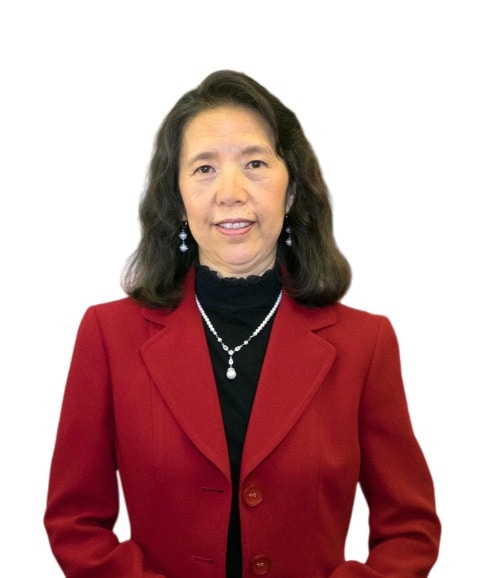
Liu Baoyan
China
Chief physician, doctoral supervisor, and Academic committeeman of China Academy of Chinese Medical Sciences (CACMS), President of the World Federation of Acupuncture-Moxibustion Societies
Reporting Topic
Advances in Clinical Research on Acupuncture Over the Past Decade
Summary
Acupuncture is an important part of traditional Chinese medicine (TCM) with a history of thousands of years. Chinese acupuncture has been recognized as a "Masterpiece of the Intangible Cultural Heritage of Humanity" and has been spread and applied in 196 countries and regions.
Over the past 10 years, acupuncture clinical research has flourished, generating more than 3,000 clinical research articles. Among them, 52 articles have been published in internationally renowned journals, produced by research teams from 9 countries, with Chinese teams accounting for 59%.
The research on pain diseases remains one of the key focuses in acupuncture clinical research. However, the research on acupuncture in the fields of tumor rehabilitation, gynecology, dermatology, gastroenterology, as well as mental and cognitive areas has also been increasing year by year.
The methods of acupuncture clinical research have become increasingly mature, and the research quality has been continuously improved. In this regard, the World Federation of Acupuncture-Moxibustion Societies has released the "Blue Book of Evidence for Acupuncture Clinical Research". Professor Gordon, the founder of evidence-based medicine, wrote the preface for the blue book. While fully affirming the achievements of acupuncture clinical research, he expected that more high-quality evidence would be generated in the future, laying a solid foundation for the safe and effective promotion and application of acupuncture.
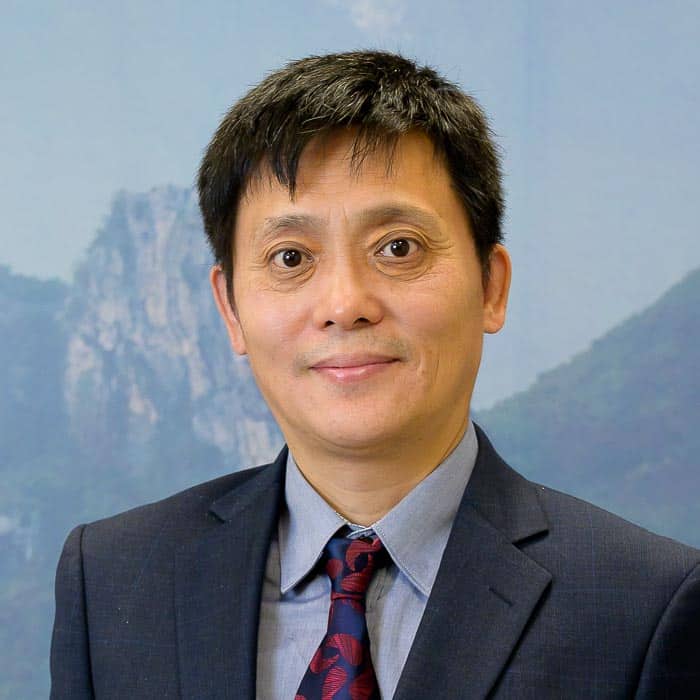
Wang Wencheng
Australia
PhD in TCM, Successor to the Huang family's Thousand-Step Pulse Tradition
Reporting Topic
The Principles and Clinical Efficacy of Traditional Chinese Medicine in Cancer Treatment
Summary
Accurate cancer identification is a prerequisite for effective treatment, while therapeutic interventions are methods applied based on this identification—both are indispensable. In Traditional Chinese Medicine (TCM), cancer identification relies primarily on pulse diagnosis to determine whether the cancer is in a stable phase or an active metastatic phase, with Western medical indicators serving only as auxiliary references. The core of treatment involves detecting imbalances in the Five Zang Organs and the Five Elements, as well as deficiency-excess patterns in the Twelve Regular Meridians and the Eight Extraordinary Meridians through pulse diagnosis. Acupuncture is then applied to corresponding acupoints to regulate deficiency and excess, and to rectify imbalances among the Metal, Fire, Earth, Wood, and Water elements. By correcting the abnormal internal environment of the body and rendering it inhospitable for cancer cell proliferation, the uncontrolled growth of malignant cells can be effectively halted. The Huang’s Medicine pulse diagnosis method demonstrates clear efficacy in distinguishing between benign and malignant tumors. Both aacupuncture and herbal medication must precisely target the underlying disease mechanism, rather than focusing solely on tumor elimination. Extensive clinical practice confirms that acupuncture yields satisfactory therapeutic outcomes in treating malignant tumors, with meridian imbalances often rapidly corrected within a short timeframe. Moreover, Accurately selected acupuncture points often yield more rapid therapeutic effects than oral administration of Chinese herbal medicine alone. This paper will elucidate the therapeutic principles of acupuncture and herbal formulations through the analysis of representative cases, thereby demonstrating the significant advantages of traditional Chinese medicine in controlling tumor growth and progression.
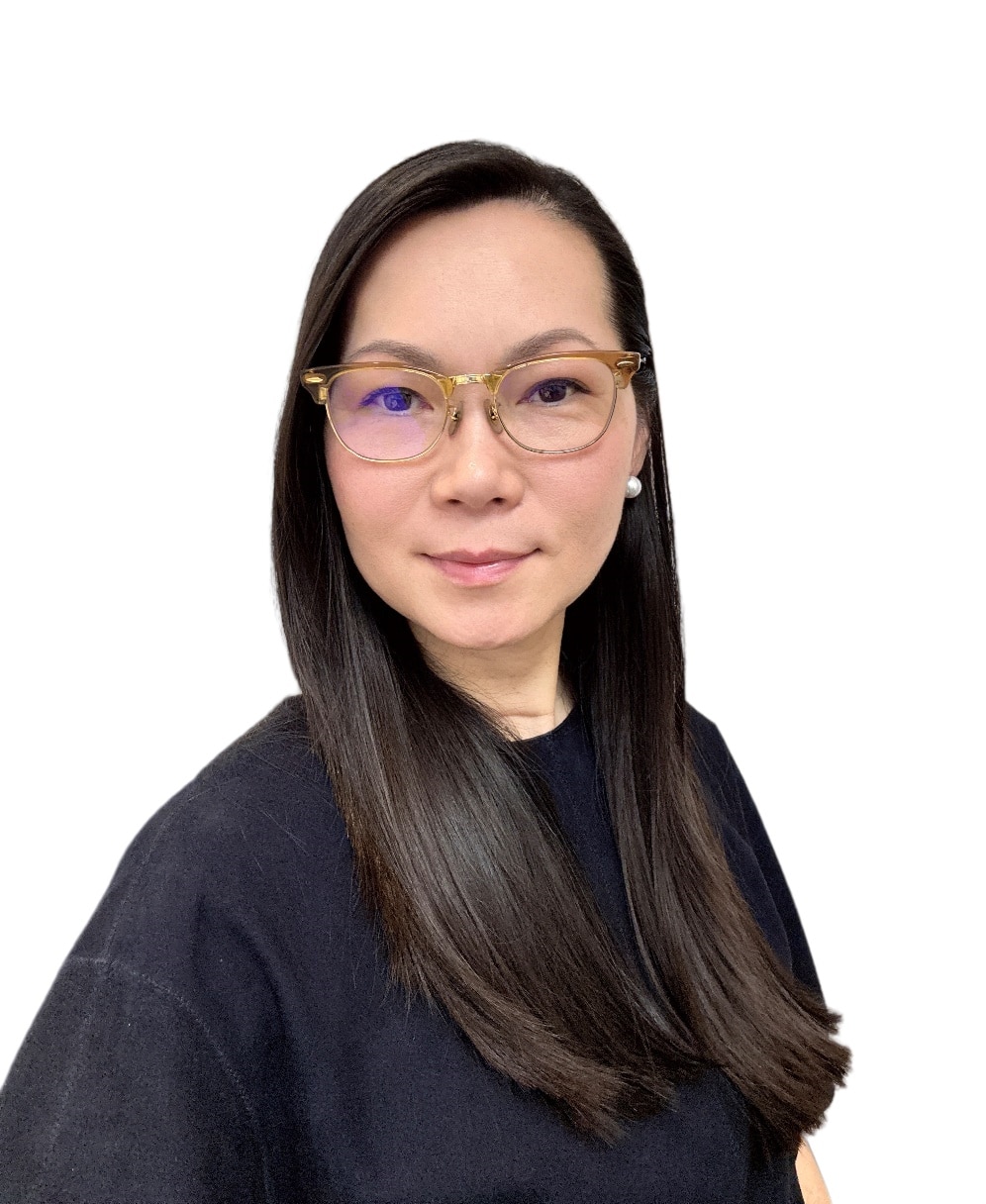
Zhao Liqin
United Kingdom
Director of Natural Fertility Care, Zhong Jing TCM UK; Honorary Advisor of King’s Centre for Integrative Chinese Medicine, King’s College London
Reporting Topic
TCM Approaches and Strategies for the Diagnosis and Treatment of Diminished Ovarian Reserve and Premature Ovarian Insufficiency
Summary
Ovary is the most important reproductive organ in women. Ovarian reserve refers to the quantity and quality of the reserved follicles that suitable to be collected for IVF purpose. It reflects the reproductive potentiality and the reproductive endocrinal function. Diminished Ovarian Reserve (DOR) and Premature Ovarian Insufficiency (POI) not only cause the decline or elimination of female fertility, abnormal uterine bleeding or amenorrhea, but also lead to early menopause in younger women which in turn triggers various health problems. A long-lasting insufficiency of hormones potentially causes dysfunction of various systems in women, such as urogenital system, skeletal system and cardiac-vascular system etc. Therefore, it is important to achieve early diagnosis and treatment for DOR and POI.
Western medicine can do very little for these conditions, contraceptive pills or Hormone Replacement Therapy (HRT) may relieve the symptoms, but cannot improve the ovarian functions or eggs quality, therefore do not increase the chances of natural pregnancy or success rate of IVF, not mention the side-effects of HRT which is often unacceptable to many patients. Traditional Chinese Medicine (TCM) has significant effect on these conditions. DOR and POI are primarily attributed to Kidney deficiency, accompanied by Liver and Spleen dysfunction, insufficient nourishment of the Chong and Ren meridians, and deficiency or stagnation of Qi and blood. The core therapeutic principle of TCM focuses on tonifying the Kidney and replenishing essence, regulating the Chong and Ren meridians, harmonizing Qi and blood, and restoring Yin–Yang balance, with individualized treatment based on syndrome differentiation. TCM treat the root causes, restoring the ovarian function, promoting ovulation, regulating menstruation, enhancing the chances of pregnancy, alleviating menopausal symptoms, and supporting assisted reproductive technologies.
This article will explore the assessment of ovarian function, diagnostic criteria, and etiology and pathogenesis, discuss the advantage of TCM in treating DOR and POI, particularly focus on the approaches, strategies and clinical experiences of syndrome-based TCM treatment, together with typical case studies.
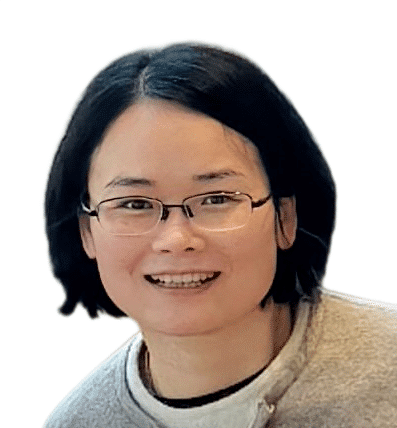
Linda Hao
USA
PhD Prof. ; President, Neuro-Acupuncture Center, USA; Vice president of the Scalp Acupuncture Specialty Committee, WFCMS
Reporting Topic
From an Unexpected Cancellation of Brain Tumor Surgery: Exploring the Undeniable Clinical Value of Scalp Acupuncture
Summary
A scheduled brain tumor surgery was unexpectedly cancelled on the morning of the procedure.
Months earlier, the patient—based in the United States—had sought Dr. Linda Hao’s specialty in scalp acupuncture after worsening neurological symptoms. During the final preoperative MRI, imaging revealed the apparent disappearance of the tumor, leading to immediate cancellation of surgery. The surgical team was stunned. The event quickly drew attention and prompted renewed interest in scalp acupuncture among patients with complex neurological conditions.
This case challenges conventional assumptions about neurological recovery.
Over decades of clinical practice, Dr. Linda Hao’s application of scalp acupuncture has expanded from general pain management to treatment of complex and difficult neurological disorders, including stroke, traumatic brain injury, autism, ADHD, Trisomy18, and dementia, demonstrating consistent functional improvement, advancing to treat DNA related issues.
With documented information evidence and patient interviews, this presentation integrates the neuroscience concept of neuroplasticity with the 5-R functional reconstruction model, exploring how scalp acupuncture may activate neural reorganization and support recovery.
Through her lecture, Dr. Linda Hao invites participants to reconsider the boundaries of medicine—and the potential of the human brain.
Linjun Xia
Hungary
Ph.D., Vice President of the World Traditional Medicine Forum (WTMF),Vice President and Secretary General of Central and Eastern European Federation of Chinese Medicine Societies (CEEFCMS)
Reporting Topic
The Key Techniques of Flying Meridian and Guiding Qi acupuncture in “Jin Zhen Fu” (Ode to the Golden Needle)
Summary
The technique of acupuncture needle manipulation originated from Huangdi Neijing (Inner Canon of Huangdi) and underwent three significant developmental stages, the Spring and Autumn-Warring States period, the Yuan-Ming dynasties, and the modern era. The Flying Meridian and Guiding Qi Needling Method described in Jin Zhen Fu (Ode to the Golden Needle, 1439) refers narrowly to the two techniques of Azure Dragon Wagging Its Tail and White Tiger Shaking Its Head, while broadly encompasses the four methods: Azure Dragon Wagging Its Tail, White Tiger Shaking Its Head, Gray Tortoise Exploring the Acupoint, and Red Phoenix Welcoming the Source. Among them, Azure Dragon Wagging Its Tail is characterized by shallow insertion with large-amplitude rotation, White Tiger Shaking Its Head by deep insertion with small-amplitude rotation; Gray Tortoise Exploring the Acupoint emphasizes advancing with drilling and withdrawing with lifting, while Red Phoenix Welcoming the Source focuses on the technique of “flying needling to induce cooling.”
The Flying Meridian Qi-Guiding Needling Technique represents a precious legacy from our predecessors in medicine, originally developed to promote the movement of qi, regulate qi flow, and connect the meridians. Systematic research, organization, and interpretation of its original-meaning, together with mastery of its operational techniques, can help to increase the success rate of achieving needling sensation (deqi) and directing qi to pathological sites, thereby providing technical support for improving the clinical efficacy of acupuncture.
Yajing Gou
China
Founder of Ancient Heritage Medicine & Culture , Xi’an, China
Reporting Topic
Professor Liu Huawei's Research and Clinical Application of the Five-Elements Qi Transformation Theory in Cancer Management
Summary
This study aims to systematically sort out the theoretical connotation, research progress, and clinical application practice of the Five Elements Qi Transformation Theory founded by Professor Liu Huawei, a National Famous TCM Doctor, in the field of oncology. Methods: Based on Professor Liu’s academic works, clinical diagnosis and treatment cases, and research results on relevant medication rules, the study was carried out by a combination of inductive analysis and theoretical interpretation. Results: Rooted in the core theory of Huangdi Neijing (Yellow Emperor's Internal Classic) - "Yang transforms into qi while Yin consolidates into form" - and combined with the academic thought of intermingling of phlegm and blood stasis, the Five Elements Qi Transformation Theory puts forward the core pathogenesis of cancers as "Yang deficiency leading to cancer" and "Yang nourishing for cancer prevention". It constructs a syndrome differentiation system of "Five Elements - Zang-Fu Organs - Qi Transformation - Cancer", forms the core therapeutic principles of "regulating qi movement, reinforcing Yang to suppress Yin, and harmonizing the Five Elements", and achieves remarkable clinical efficacy in the stage -based treatment of various cancers such as lung cancer, liver cancer, and gastrointestinal cancer. Conclusion: Professor Liu Huawei’s Five Elements Qi Transformation Theory enriches the TCM theory on the etiology and pathogenesis of cancers, provides a new idea and practical scheme for the integrated traditional Chinese and Western medicine diagnosis and treatment of cancers, and has important clinical value and research significance.
Wang Bo
Switzerland
Chief Physician, Doctor, Professor, Founder and Dean of QingNing Traditional Chinese Medicine Clinic, Geneva, Switzerland/Shenyang, China.
Reporting Topic
The Xuanfu-Qi Method for Treating Anxiety Disorders
Summary
Anxiety disorders are prevalent and constitute a significant factor in many physical illnesses. The accelerated pace of modern society has intensified the progression of anxiety disorders. Western pharmaceutical treatments carry substantial adverse effects, while TCM diagnoses and therapies focus on liver qi stagnation and depression relief, often with recurrent symptoms. This article proposes characteristic tongue manifestations of anxiety disorders and explores the three-step TCM therapeutic approach of “resolving phlegm-heat, opening the Xuanfu (sweat pore), and guiding yin fire” for treating anxiety disorders. It also introduces innovations in the Xuanfu theory and its clinical application, systematically organizing TCM diagnosis and treatment for anxiety disorders while providing a reliable framework for standardized research on the syndrome differentiation and treatment of anxiety disorders.
Yang Yifan
Netherland
TCM doctor in Netherland,Instructor,Chief Physician of WFCMS
Reporting Topic
Traditional Chinese Medicine approaches to health maintenance and treatment after menopause
Summary
With improvements in living standards, postmenopausal women have increasingly higher expectations regarding both the content and quality of life. This trend presents new research questions and therapeutic challenges for practitioners of Traditional Chinese Medicine (TCM). Based on TCM theory and many years of clinical experience, this report aims to explore the constitutional and psychological changes in postmenopausal women and to develop balanced strategies for supportive care, maintenance, and treatment.
Shulan Tang
United Kingdom
Professor and Doctoral Supervisor at Nanjing University of Chinese Medicine and Anhui University of Chinese Medicine
Reporting Topic
Differential Diagnosis and Treatment of Prostate Cancer in TCM
Summary
Prostate cancer is one of the most common malignant tumors in men worldwide and has gradually become a representative chronic tumor disease in aging societies, posing a significant burden on public health systems and socioeconomic development. Its incidence and mortality rates continue to rise globally.
Modern medical treatments for prostate cancer mainly include surgery, radiotherapy, endocrine therapy, and chemotherapy. Traditional Chinese Medicine (TCM) adopts an individualised treatment approach based on patients’ constitution, disease stage, and syndrome differentiation, demonstrating unique advantages in the prevention of prostate cancer, control of disease progression, and improvement of quality of life. Based on 38 years of clinical practice and observation, the author believes that prostate cancer is fundamentally characterised by kidney deficiency, with manifestations of mixed cold and heat, deficiency and excess, as well as secondary pathological factors including damp-heat in the lower burner, accumulation of phlegm-dampness, and stagnation of qi and blood stasis.
The main therapeutic principles include tonifying the kidney and nourishing yin, clearing heat and eliminating dampness, regulating qi and harmonising blood, and resolving phlegm and dispersing masses. These approaches have been effective in preventing and controlling the progression of prostate cancer, improving patients’ quality of life, and have achieved satisfactory clinical outcomes, thereby providing valuable insights for the comprehensive treatment of prostate cancer.
Ramon Maria Calduch
Spain
President of the European Foundation of Traditional Complementary and Integrative Medicine
Vicepresident of the World Traditional Medicine Forum
Reporting Topic
The Collaboration between Chinese Universities of Traditional Chinese Medicine and European Union Universities in the internationalization process of TCM
Summary
The internationalization of Traditional Chinese Medicine (TCM) represents one of the most significant developments in today’s global landscape of academic and healthcare cooperation. In this context, collaboration between Traditional Chinese Medicine universities in the People’s Republic of China and universities within the European Union has emerged as a strategic pillar for the integration of TCM into European educational, scientific, and healthcare systems.
This report examines the institutional cooperation models developed in recent years, focusing on joint training programs, collaborative research projects, faculty and student exchanges, as well as initiatives aimed at curriculum harmonization and academic recognition. It also explores the main challenges of the internationalization process, including regulatory differences, standards of scientific evidence, cultural and linguistic barriers, and the need for shared frameworks of quality assurance and accreditation.
Tiejun Tang
United Kingdom
Professor, Vice President of the World Traditional Medicine Forum
Reporting Topic
The role and mechanism of traditional Chinese medicine in cancer care
Summary
Overseas TCM practitioners are not allowed to claim they can treat cancer, but in our clinical practice, both herbal medicine and acupuncture play a significant role in cancer care. These effects often influence patient prognosis. This report, based on my over 40 years of clinical practice in China and UK, summarizes the roles of herbal medicine and acupuncture in cancer care, explores how to integrate TCM and Western medicine in the management of cancer, proposes comprehensive cancer care strategies, highlights the advantages of TCM, and investigates the mechanisms of action of herbal medicine and acupuncture. Specific case studies are provided for in-depth discussion.
Kit Man Li
United Kingdom
Volunteer neuro-acupuncturist of Florence Nightingale Charity Hospice, UK
Reporting Topic
Traditional Chinese Medicine as Supportive Care for Post-Cancer Symptoms at a UK Hospice Setting
Summary
The author currently serves as a volunteer neuro-acupuncturist at Florence Nightingale Charity Hospice. Most of the patients experience persistent post-cancer and chemotherapy-related symptoms. My role involves treating these patients using scalp acupuncture combined with Chinese herbal medicine, with the aim of helping them regain physical strength and confidence, as well as improving overall quality of life. Based on clinical observations, several representative case examples will be presented to illustrate the potential contribution of TCM interventions in hospice supportive care.
Min Zhao-Höhn
Germany
PhD. Center for Traditional Chinese Medicine, Cologne
Reporting Topic
Traditional Chinese Medicine Nutritional Therapy for Infertility
Summary
This article systematically analyzes treatment strategies and dietary interventions for infertility from the perspective of TCM Five Elements Nutritional Theory. The study posits that reproductive function is rooted in the "Kidneys as the foundation, Liver as the function, and Spleen as the source," involving the coordination of all five Zang-organs. By categorizing common infertility patterns into four constitutional types - Kidney Deficiency (Water), Liver Qi Stagnation (Wood), Spleen Deficiency with Phlegm-Dampness (Earth), and Heart-Kidney Imbalance (Fire) - the paper outlines specific regulatory principles and recommended foods for each. Furthermore, it highlights a cycle-based dietary approach for women and advocates for a multi-modal intervention combining nutritional therapy with acupuncture, herbal medicine, and lifestyle management.
Dan Jiang
United Kingdom
TCM Consultant
Reporting Topic
Challenges and opportunities of artificial intelligence for the practice of traditional Chinese medicine overseas
Summary
Based on the specific context of TCM practice in the United Kingdom, this paper explores the challenges and opportunities that the development of artificial intelligence (AI) brings to Traditional Chinese Medicine. Whether overseas TCM practitioners can pay adequate attention to the rapid advancement of modern AI and develop a correct understanding of its implications has become one of the most critical issues they face in medical practice within developed societies. Continuous learning and keeping pace with scientific and technological progress may enable overseas TCM practice to achieve broader development opportunities and create new achievements; conversely, neglect, complacency, and adherence to outdated approaches may result in being left behind by the progress of the times and facing gradual decline. This paper will provide a detailed analysis of the challenges and opportunities posed by AI for overseas TCM practice. As clinical TCM practitioners, we should acquire fundamental AI-related skills and leverage the advantages of AI to elevate the development of TCM clinical practice and research to a higher level.
Songqing Fu
Japan
Dean and professor
Reporting Topic
Taper Needle Acupuncture:
Non-invasive taper needles, needling techniques and applications
Summary
1. Definition, functions and current status of taper needle acupuncture
2. Design philosophy and engineering improvements of taper needles
3. Needling techniques of taper needle acupuncture
(1). The Practitioner’s Mental Approach (Unity of Body and Mind): Regulation of Form and Spirit: Sink the breath to the Dan Tian; keep the chest upright and the chin tucked in.
(2). Spatial Localization: According to the *Nan Jing: Wu Nan*, the therapeutic space is divided into five layers. The core of Tuina needle manipulation lies in the San Shu layer (Lung and Skin-Hair layer): Tuina needles do not penetrate; tonification and dispersion are primarily achieved in this layer through “Qi-guiding”.
(3). Dynamic tonic and sedative hand sensations: The coordination of pressing and stabbing techniques.
4. Treatment of blood stagnation, water retention and external pathogens
Although taper needling does not involve penetration, it can reach deeper layers through variations in the intensity of the pressing technique:
• Heavy Pressing (Six Fu Organs Layer): A steady, firm pressure can address issues in the Nutritive and Blood levels, as well as blood stasis.
• Light pressure (Defensive Qi layer): Primarily regulates the Fluid and Defensive Qi levels.
• Cyclical manipulation: Repeatedly applying and guiding pressure at the skin and hair layer can effectively expel external pathogens and restore a balanced pulse containing “Stomach Qi.”
5. Conclusion
Taper needle acupuncture is the highest embodiment of the ancient Chinese medical principle. It avoids the pain and risks associated with needle insertion but requires the practitioner to possess profound expertise in pulse diagnosis and internal cultivation.
Bin Cai
USA
PhD, LAc. New York College of Traditional Chinese Medicine
Reporting Topic
Exploring on anatomical structure of Five Shu point and clinic application
Summary
Accurate localization of acupuncture points is essential for ensuring the safety, effectiveness, and reproducibility of acupuncture treatment. Traditional methods of point location rely primarily on surface landmarks and proportional measurements, which do not adequately account for individual anatomical variation. As a result, the precise internal anatomical structures engaged by needling remain unclear for many acupuncture points, particularly the Five Shu Points. Recent anatomical and imaging studies suggest that these points are closely associated with specific structures such as muscle clefts, tendon borders, bone depressions, and neurovascular entry sites, which may underlie characteristic needling sensations and therapeutic effects. Using LI4 (Hegu) as a representative example, microanatomical dissection and ultrasonography demonstrate how anatomy-based confirmation can improve three-dimensional point localization. In contrast, the anatomical locations of KI10 (Yingu) and LR08 (Ququan) remain controversial, underscoring the need for further investigation. This presentation highlights the importance of integrating classical acupuncture theory with modern anatomical dissection, medical imaging, and clinical observation to enhance standardization, clinical precision, and the scientific development of acupuncture practice.
Wu Binjiang
Canada
Professor, Doctoral Supervisor, President of the Ontario College of TCM in Canada, Vice Chairman of the World Federation of Acupuncture-Moxibustion Societies, and Vice Chairman of the World Federation of Chinese Medicine Societies.
Reporting Topic
From Rapid Expansion to Structural Adjustment: The Changing Landscape of Overseas Acupuncture and Traditional Chinese Medicine Education
Summary
This paper examines ten aspects: (1) the decline of overseas Chinese medicine and acupuncture education from its peak to a period of adjustment. In the United States, Chinese medicine and acupuncture colleges have shifted from an expansion phase to one of suppression and adjustment; in Canada, similar institutions have moved from a developmental peak back to an adjustment period; and Chinese medicine and acupuncture programs in public universities in the United Kingdom and Australia have successively closed. (2) Overseas private institutions have long been the main driving force in the development of Chinese medicine, acupuncture, and related education. (3) Legislation in host countries secures the historical process of advancing Chinese medicine teaching and clinical practice. Such legislation marks a “mature period” and helps ensure the sustainable development of teaching and clinical practice, which typically comprises three tiers in overseas contexts. (4) The “counter-trend” development of Chinese medicine and acupuncture education in Canada, including the contribution of Bachelor of Chinese Medicine degrees and Ontario’s brief “spring” of growth. (5) Differences between domestic and overseas development: “pure Chinese medicine” is a distinctive feature of overseas development, and overseas practitioners typically reach their professional peak about 10–15 years later. (6) High-tech approaches such as online education and telemedicine will accelerate the development of overseas Chinese medicine and acupuncture education. (7) Artificial intelligence (AI) will create historically transformative opportunities for overseas Chinese medicine and acupuncture education. (8) Overseas Chinese medicine practitioners will be compelled to leapfrog from an agricultural era to a post-industrial era. (9) Future development will emphasize upgrading equipment for both clinical practice and teaching. (10) The guiding and leading role of international organizations in coordinating resources.
Yemeng Chen
USA
Vice President of the World Traditional Medicine Forum; President of New York College of Traditional Chinese Medicine.
Reporting Topic
Application of Acupuncture in Supportive Care for Cancer Survivors
Summary
Due to current clinical practice guidelines and the scope of practice for acupuncturists in the United States, acupuncturists cannot participate in early-stage cancer treatment. However, acupuncture plays a significant role for cancer survivors after surgery, chemotherapy, and radiotherapy. This includes managing pain, fatigue, tension, anxiety, depression, insomnia, anorexia, headaches, musculoskeletal disorders, and some postoperative or chemotherapy/radiotherapy complications such as peripheral neuropathy, xerostomia, nausea and vomiting, diarrhea, constipation, hot flashes, and postoperative limb lymphadenopathy. Acupuncture is also beginning to be used in palliative care. A large amount of evidence-based medicine has been published, and acupuncture treatment services are available in various cancer centers across the United States. With the development of integrative medicine, the application of acupuncture in supportive care for cancer survivors will further expand.
Janneke Vermeulen
The Netherlands
Mermaid Medicine®, The Hague, The Netherlands
Reporting Topic
Acupuncture for Allergic Rhinitis-Related Nasal Congestion: Results of the ANCAR Trial
Summary
Allergic rhinitis (AR) is a disorder that affects more than 500 million people worldwide and about 30% of the Dutch population alone. Nasal congestion is one of the most general and bothersome symptoms in rhinitis (AR and non-allergic rhinitis (NAR)), and is linked to various secondary medical conditions and comorbidities. AR significantly impacts the quality of life (QoL) and contributes to high direct medical and indirect economic costs. Current medications are undesirable due to their side-effects and there are AR patients who perceive inadequate responses despite to advancements in conventional medicine. Acupuncture is clinically recognized as effective for signs and symptoms of nasal and sinus disorders, including nasal congestion. However, its immediate, post-treatment and long-term effects on nasal congestion in AR have remained underexplored in rigorously designed clinical studies. For these reasons and as part of the PhD trajectory of Janneke Vermeulen at Nanjing University of Chinese Medicine (NJUCM) in Nanjing, China, the ANCAR trial was set up: 'Acupuncture for Nasal Congestion in Allergic Rhinitis: An Open-Label, Randomized, Monocenter Trial (ANCAR Trial)'. The ANCAR trial aimed to compare the efficacy of acupuncture with Carelastin® azelastine nasal spray. In this presentation the preliminary findings of the ANCAR trial will be presented to the general public for the first time. The ANCAR trial, a pioneering study, was performed in 2023 and partially sponsored by the Dutch Acupuncture Association (NVA).
Zhang Qing
United Kingdom
Professor of the College of Traditional Chinese Medicine in the United Kingdom, Director of the Centre for Traditional Chinese Medicine in Southampton
Reporting Topic
Traditional Chinese medicine diagnosis and treatment ideas for repeated implantation failure
Summary
Recurrent implantation failure (RIF) remains a major challenge in assisted reproductive technology (ART), often associated with impaired endometrial receptivity, ovarian dysfunction, immune imbalance, and neuroendocrine disturbances. Traditional Chinese Medicine (TCM) approaches RIF through a holistic, individualized framework aimed at restoring systemic balance and optimizing the uterine microenvironment.
In TCM theory, RIF is mainly related to dysfunction of the Kidney, Liver, and Spleen systems, disharmony of the Chong and Ren meridians, and imbalance of Qi, Blood, Yin, Yang, and Essence (Jing). Treatment is guided by syndrome differentiation and integrates herbal medicine, acupuncture, and lifestyle regulation. Core strategies include tonifying Kidney essence, regulating Qi and Blood, harmonizing Yin–Yang, improving uterine microcirculation, and enhancing endometrial receptivity.
Emerging evidence suggests that TCM may improve oocyte quality, regulate neuroendocrine–immune networks, enhance uterine blood flow, and support implantation through multi-target mechanisms. When integrated with IVF, phase-based TCM interventions before and during ART cycles may improve ovarian response, optimize the uterine environment, and increase implantation and pregnancy rates.
Overall, TCM provides a personalized complementary approach to ART. Further research integrating TCM pattern differentiation with biomedical markers and large-scale clinical trials is needed to strengthen evidence-based integrative fertility care.
Xiaoli Dong
The Netherlands
Reporting Topic
Rethinking the relationship between wu wei (five tastes) and wu zang (five zang)
Summary
Throughout the history of Traditional Chinese Medicine (TCM), the ways the wu wei (the five tastes) and wu zang (the five internal yin organs) are connected have been a recurring topic of debate. For every zang, there is a taste that can supplement or drain it. Each zang has its own suffering, and different tastes can help them relieve the suffering. This paper argues that the take on the connections between wu wei and wu zang as worked out in Chapter 22 of the classical edition of Su Wen (Lin et al., 1053CE) are likely not to correspond to the connections in the original work (written between 475 and 220BCE). The argumentation is based on a comparison between the connections we find between wu wei and wu zang in Lin et al.’s edition of Su Wen on the one hand and the connections Fu Xing Jue (written between 456 and 536CE) attributes to the original of Su Wen on the other hand. Support for the connections in Fu Xing Jue being closer to the original of Su Wen comes from an analysis of classical formulas that are also taken to be based on the insights in Su Wen. The formulas side more with the connections as hypothesized in Fu Xing Jue than those in Lín et al.’s edition of Su Wen. The deviations between the original edition of Su Wen and Lin et al.’s edition of Su Wen we argue for, correspond to those we find between Lin et al.’s edition and the most recent edition by Xu (2022). This paper is relevant for all herbalists interested in understanding the theory behind the composition of classical formulas.
Portia Barnblatt
USA
Dr.
Reporting Topic
A brief introduction of the combinations of paired Chinese herbs & umbilical acupuncture for anxiety disorders
Summary
1. Overview of umbilical acupuncture & its clinical applications
2. The clinical significance & basic law of the paired herbs
3. Pathologies & manifestations of anxiety in both Western medicine & TCM
4. Clinical treatments of the combinations of umbilical acupuncture with specifically-paired Chinese herbal formulas for anxiety disorders
Alex Tiemes
The Netherlands
Reporting Topic
International and Interdisciplinary Integration of Acupuncture in Sports Rehabilitation: A Practice-Based Perspective
Summary
This paper presents a practice-based account of international and interdisciplinary collaboration in the field of sports rehabilitation, with a particular focus on the integration of acupuncture within a multimodal therapeutic framework. Following advanced training in China with an emphasis on chemotherapy-induced neuropathy, the author engaged in academic and clinical activities at Shandong University of Traditional Chinese Medicine, including the teaching of Three-Dimensional Manual Therapy (3DMT), which has since been translated into Mandarin for publication.
Clinical practice was subsequently extended to the treatment, rehabilitation, and performance coaching of student and professional athletes at provincial and national levels in China’s Shandong Province. The therapeutic approach described here is characterized by the integration of Western medicine (Xi Yi) and Traditional Chinese Medicine (Zhong Yi), combining 3DMT, physiotherapy, acupuncture, injury prevention strategies, and strength and conditioning programs. Notably, acupuncture is repositioned from a standalone modality to a complementary technique embedded within a broader rehabilitation protocol.
This integrative model represents a novel approach within the studied institutions, where such combined methodologies had not previously been implemented. The forthcoming establishment of a rehabilitation center in Jinan, Shangdong will further implement this interdisciplinary framework for the general population. The findings underscore the importance of adaptable, patient-centered care models in which acupuncture assumes a dynamic role alongside other therapeutic interventions, contributing to optimized rehabilitation outcomes in athletic populations.
Zhongbin Wang
Belgium
Reporting Topic
Innovative Development and Clinical Application of the Floating Needling Method in the 'Lingshu'
Summary
1. This presentation elaborates on the floating needling method, which is one of the twelve sectional needling techniques discussed in the "Ling Shu: Chapter on Official Needles." "The ninth is the floating needling; floating needling involves inserting the needle superficially alongside, applied to treat muscular tension and cold conditions." The content revealed in this scripture includes: the location for floating needling, the depth and technique of the needle insertion, as well as the indications and nature of diseases suitable for floating needling.
2. The differences between the floating刺 method and other shallow刺 methods such as the net刺 method,毛刺 method, and half刺 method should be clearly distinguished.
3. In modern clinical practice, the floating needling technique is mostly performed using improved needle instruments. Generally, it is necessary to identify the primary points and marked points of the pain, and to determine the target points and insertion points for the floating needle procedure.
4. When implementing the floating stabbing method, one should follow the four steps of 'stab, insert, float, and retain' in sequence, focusing on the operational techniques of each step. Taking direct floating as an example, the floating step will be explained in detail with a refined plan.
5. Emphasize putting more effort into the 'floating' phase, making full use of techniques such as static floating and dynamic floating, direct floating and indirect floating, as well as active and passive movements. Needling and floating should be applied according to the patient's condition to achieve rapid and effective results. These operational steps form a continuous and indispensable procedure in the clinical practice of floating needle therapy and are necessary skills for achieving quick and effective outcomes. Moreover, they are key to the reproducibility of the floating needle effect. Several case studies of floating needle treatment will be presented.
Luquan Chen
China
Chief physician, associate Professor, Director of Traditional Acupuncture Department, Beijing Tongren Hospital, Vice Chief committee member of the Health Communication Working Committee of WFAS
Reporting Topic
Sphenopalatine Ganglion Puncturing and Other special External Therapies in Otorhinolaryngology
Summary
Luquan Chen,who is the director of the Acupuncture Department in Beijing Tongren Hospital , specializes in treating otorhinolaryngological diseases, particularly allergic rhinitis, sinusitis, tinnitus, deafness, and voice disorders. Using characteristic external therapies such as sphenopalatine ganglion puncturing (SPG). With "unblocking orifices and regulating qi-blood" as the fundamental therapeutic principle, Director Chen has innovatively combined SPG acupuncture (Xinwu acupoint technique) with traditional acupuncture, fire needling, tongue acupuncture, and auricular acupuncture to establish an integrated Chinese-Western medical diagnosis and treatment model. The distinctive features include precise localization of the sphenopalatine ganglion to improve microcirculation in the ear, nose, and throat through autonomic nervous system regulation, while simultaneously emphasizing syndrome differentiation and treatment—selecting acupoints along corresponding meridians according to individual patient constitution to significantly enhance clinical efficacy. These characteristic external therapies provide safe and effective non-pharmacological treatment options for refractory otorhinolaryngological diseases and warrant wider clinical application.
Li Hong
New Zealand
Acupuncturist
Reporting Topic
Analysis of Migraine Cases(2026)
Summary
Migraine is a mental medical condition with a severe headache that can cause disability. Modern medicine use the drugs to treat but with a limited result. Chinese acupuncture as a holistic medicine can treat not only the symptoms but also the root. Understanding the modern knowledge of physiopathology of migraine provides a fundamental basis to help diagnose the migraine and make the Acupuncture treatment more efficiently towards to the cure.
From Quantification to Intelligence: AI Large Models Empowering TCMClinical Research and Health Management
Summary
The digital evolution of Traditional Chinese Medicine (TCM) is advancing from standardized dataacquisition toward intelligent knowledge integration. While the quantification of tongue andpulse signals provides a reliable data foundation, the transformative potential lies in howArtificial Intelligence—particularly Large Language Models (LLMs)—leverages these structureddatasets to enhance clinical reasoning, research capacity, and population health management.By integrating AI-based tongue and pulse quantification with intelligent diagnostic systems, TCMdiagnostic processes can achieve improved objectivity, consistency, and scalability. Moreimportantly, the incorporation of domain-trained large models enables structured knowledgeextraction, real-world evidence generation, and clinical decision support based on classicaltheory and contemporary data analytics.This presentation will explore how integrated AI solutions extend beyond individual diagnosticdevices to support clinical research infrastructure, multi-center data collaboration, andpersonalized health management. Through the synergy of quantification technologies and AIreasoning capabilities, TCM can strengthen its scientific methodology, expand its globalapplicability, and contribute meaningfully to the future of intelligent healthcare.
Biao Lu
USA
Traditional Chinese Medicine (TCM) and acupuncture specialist in Los Angeles
Reporting Topic
Acupuncture for Migraine and Joint Pain
Summary
Headaches can be categorized into two main types in clinical practice. Temporary headaches caused by wind-cold invasion (e.g., common cold) should be treated with the Burning Mountain Fire technique to induce sweating, release the exterior, and relieve pain. In contrast, persistent, severe, and recurrent headaches are generally attributed to “wind combined with fire toxin” ascending to disturb the clear orifices; in such cases, the Penetrating Heaven Coolness technique is indicated for effective treatment. Key acupoints include Fengchi (GB20), Fengfu (GV16), Jianjing (GB21), and Touwei (ST8).
Additionally, pain associated with various joint disorders falls under the category of Bi syndrome. Treatment should employ needling techniques such as the Dan method or the Burning Mountain Fire technique to achieve optimal therapeutic results.
Chunying Wang
China
Fourth generation direct disciple of First Generation National TCM Master Deng Tietao; Vice Chairman of the TCM Clinic Community of the China Association of Chinese Medicine.
Reporting Topic
Clinical Application of Acupoint Acupuncture in Traditional Chinese Medicine for First Aid
Summary
TCM emergency medicine has a long history and features simple, convenient and effective methods. Acupoint stimulation (acupuncture, acupressure, moxibustion, etc.), in particular, offers unique advantages in pre-hospital emergency management and medical emergencies. This report, based on the academic thoughts and clinical experience of the Taiyi School of Chen Lineage, systematically reviews acupoint-based treatment protocols for common emergencies such as syncope, angina pectoris, acute pain syndromes, and more. It focuses on key emergency acupoints including Baihui (DU20), Shuigou (DU26), Neiguan (PC6), Shixuan (EX-UE11), and Yongquan (KI1), detailing their locations, manipulation techniques, and clinical indications. Typical case studies are also presented to analyze the mechanisms of action and precautions of acupoint first aid. The report emphasizes that acupoint emergency treatment follows the therapeutic principles of opening the orifices and restoring consciousness, reviving yang to rescue from collapse, regulating qi to alleviate pain, and harmonizing qi and blood. These methods are easy to learn and apply, require no specialized equipment or space constraints, and thus hold practical value for overseas promotion, household emergency response, primary healthcare, and out-of-hospital settings. They are also of great practical significance for improving the TCM emergency response system in addressing global health emergencies.
Wang Jie
China
Professor, Chief physician, Doctoral supervisor, National Master of Traditional Chinese Medicine, Former President of Guang’anmen Hospital of the China Academy of Chinese Medical Sciences
Reporting Topic
Research on Traditional Chinese Medicine Inheritance and Innovation in Heart Failure
Summary
Heart failure is a major global public health issue, characterized by high mortality and a heavy disease burden. Modern treatment still faces significant clinical bottlenecks, including ventricular remodeling and limited drug efficacy. Inheriting the classical theories of traditional Chinese medicine (TCM) is crucial for improving clinical outcomes and advancing drug development. In terms of inheritance, this research systematically reviews the understanding of disease names, symptoms, and pathogenesis related to conditions such as “xinshui” and “xinzhang” as recorded in classical medical texts including the Huangdi Neijing and Jingui Yaolue. It also summarizes the core pathogenesis theories proposed by national physician masters, as well as the clinical experience in applying classical formulas such as Wuling Powder, Linggui Zhugan Tang, Buzhong Yiqi Decoction, Zhenwu Decoction, and formulas for activating blood circulation, tonifying the kidney, and calming the mind. In terms of innovation, combined with modern research, it demonstrates the mechanisms of therapeutic approaches such as clearing heat and activating blood circulation, tonifying the kidney and activating blood circulation, and promoting blood circulation and unblocking the collaterals. These approaches act through multiple pathways, including inhibiting inflammatory responses, improving microcirculation, promoting the establishment of collateral circulation, and regulating energy metabolism. In clinical practice, this research explains the advantages of TCM under the model of “disease-syndrome combination” and “formula-pattern correspondence,” highlighting its significant efficacy in improving ejection fraction and reversing ventricular remodeling. It provides a safe and effective integrative strategy combining Chinese and Western medicine for the comprehensive prevention and treatment of heart failure.
Shing Lin Wang
The Netherlands
PhD
Reporting Topic
Exploring the Etiology And Pathogenesis of Cancer from the Text of the Yellow Emperor's Inner Classic
Summary
All cancers are caused by metabolic dysfunction. This hypothesis is the scientific conclusion of joint experiments conducted by the National Health Research Institutes of Taiwan China and Institute of Molecular and Cellular Biology and Department of Life Science at National Tsing Hua University. The research demonstrates: 1) how normal cells transform into cancer cells due to metabolic dysfunction; 2) the evolutionary process and underlying mechanisms are clearly documented. The experimental results were published in the Proceedings of the National Academy of Sciences of the United States of America (PNAS) and the National Health Research Institutes Electronic Newsletter of Taiwan, China in 2014, respectively. In 2025, the World Cancer Research Fund (WCRF) also cited research showing that brisk walking can significantly reduce the risk of many types of cancer.
Interestingly, we also found written records of metabolic dysfunction in the ancient text Yellow Emperor’s Inner Classic. While modern scientific experiments describe metabolic dysfunction from a microscopic perspective. And 3000 years ago, the Yellow Emperor’s Inner Classic describes it from a macroscopic point of view.
This paper attempts to trace the etiology, pathogenesis, clinical diagnosis and treatment principles of cancer from the perspective of the Yellow Emperor‘s Inner Classic. And we apply these principles to treat cancer patients clinically. We hope to leverage a core advantage of Traditional Chinese Medicine (TCM), namely, Individualized Treatment Plans. And help patients mitigate the potential side effects of chemotherapy in Western Medicine as well.
Finally, we will present case studies on the treatment of sequelae after brain tumor surgery. We will also list some challenges currently faced by Traditional Chinese Medicine in the Netherlands.
Xue ShaoMin
Belgium
Chief TCM Physician, Guest Professor
Reporting Topic
Experience in Combination of Acupuncture and herbal blends treatment for arthralgia of five constituents & related Zang Fu
Summary
Five Bi syndromes originate from the classification in the yellow emperor’s inner canon. In past years of my clinical practices, I draw upon the ancients and follow the traditional Five element (Wu Xing theory) of treating the root cause, combining Acupuncture and herbal blends to treat Five Bi Syndromes ( arthralgia of five constituents & related Zang Fu) also named in Wu Ti Bi & Wu zang Bi as following: skin Bi-Lung Bi, Muscle Bi-Spleen Bi, blood Bi-Heart Bi, Sinew Bi-Liver Bi, bone Bi-kidney Bi syndrome. The therapeutic effects are excellent. Here I would like to share some experiences in treating five arthralgia.
Guirong Dong
China
Prof., Yueyang Hospital of Integrated Traditional Chinese and Western Medicine, Shanghai, China
Reporting Topic
Clinical experience of Dong’s acupuncture in treating shoulder arm pain via six meridian syndrome differentiation for shoulder arm nerves
Summary
The acupuncture treatment of shoulder-arm pain via Six-Meridian Syndrome Differentiation for shoulder-arm nerves is the clinical experience of "Dong’s Acupuncture", an intangible cultural heritage, in the century-old inheritance of treating pain disorders.
Shoulder-arm pain belongs to the category of pain disorders in traditional Chinese medicine (TCM), including shoulder bi syndrome and arm bi syndrome, which correspond to scapulohumeral periarthritis, brachial plexus neuritis and other diseases in modern medicine.
Dong’s Acupuncture combines the five major nerves of the brachial plexus with the three yang meridians and three yin meridians of the hand in the shoulder, arm and hand regions. In clinical practice, according to different pathogenesis and symptoms, shoulder-arm pain is divided into three stages: pain stage, congelation stage and contracture stage; and into six types based on meridian circulation, namely the three yang meridian types of the hand and the three yin meridian types of the hand.
During the treatment process, it emphasizes the flexible application of acupuncture techniques, manipulations, and the principles of acupoint selection and compatibility. It organically integrates Hegu needling (Hegu Ci) and the innovative reverse Hegu needling (Ni Hegu Ci), combined with movement acupuncture, forming a systematic and standardized "Dong’s Acupuncture" scheme for treating shoulder-arm pain with significant clinical efficacy.
Chunbiao Guo
Italy
President, Associazione Nazionale Italiana Della Medicina Tradizionale Cinese, Secretary general, World Traditional Medicine Forum
Reporting Topic
Clinical advantages of scalp acupuncture combined with abdominal acupuncture in the treatment of multiple sclerosis
Summary
Multiple sclerosis is an autoimmune disease characterized by demyelination of white matter nerve fibers in the central nervous system. The cerebral cortex is the highest-level center that regulates and controls body movements. These scalp stimulation areas are Scalp Acupuncture treatments. The therapeutic effect of Scalp Acupuncture on specific stimulation areas can improve the blood supply of the cerebral cortex as well as the function of the cerebral cortex, regulate the central nervous system, and achieve the purpose of the treatments for the diseases. Abdominal acupuncture is a needling method that treats systemic diseases by needling specific acupoints on the abdomen. Modern research proposes the concept of the "abdominal brain," suggesting that the abdominal neural network can engage in bidirectional information exchange with the central nervous system through the "gut-brain axis," providing scientific support for the modulation of central nervous system functions via abdominal acupuncture. The combination of scalp acupuncture and abdominal acupuncture for treating multiple sclerosis offers advantages such as a rapid onset of action and clear short-term efficacy compared to conventional body acupuncture, enabling the swift alleviation of patients' core symptoms.
Yibin Feng
Hong Kong SAR, China
Professor at the School of Chinese Medicine and Co-Director of the Centre for Integrative Chinese and Western Medicine at Li Ka Shing Faculty of Medicine, the University of Hong Kong
Reporting Topic
Conservation of Endangered Wildlife: Research and Prospects
Summary
Traditional Chinese Medicine (TCM) is the world's largest traditional medical system, utilizing syndrome differentiation rather than diseases diagnosis in Western Medicine. Treatment methods include herbal medicine, acupuncture, massage, and qigong. Herbal medicine encompasses natural resources such as plants, animals, minerals, and fungi, as well as some processed products, and is associated with a huge TCM industry, accounting for about one-third of China's pharmaceutical output. In ancient times, natural resources and the ecological environment maintained a dynamic balance. However, in modern times, due to population growth, industrial development, and ecological degradation, natural resources have been depleted. Maintaining the balance between economic development and the ecological environment, and achieving sustainable development for humanity, has become a major challenge. The 1973 Convention on International Trade in Endangered Species (CITES), with 184member countries including China, was established to address this issue. Hong Kong, governed by the Agriculture, Fisheries and Conservation Department (AFCD), enforces CITES regulations, requiring permits for importing or exporting endangered species (Levels 1-3), such as ivory, orchids, and timber. Violations can incur fines up to HK$1 million and imprisonment up to one year. The latest 2024 survey of Chinese medicinal resources identified 18,817 types of medicinal herbs, including 15,321 medicinal plants, 826 medicinal fungi, 2,517 medicinal animals, and 153 medicinal minerals. Animal-derived medicinal materials account for approximately 13.376% of the total, some of which are endangered species, such as tiger bone, rhinoceros’ horn, leopard bone, bear bile, musk, and pangolin scales etc. The 2025 edition of the Chinese Pharmacopoeia no longer includes endangered animal-derived medicines. This lecture will explore the history, culture, and clinical applications of animal-derived medicines, as well as modern research on animal-derived medicines and alternatives, using bear bile alternatives as an example to promote their protection and sustainable use.
Zhengzong Lin
Taiwan, China
The Li lineage head of Tung’s Acupuncture; The 22nd-generation of the Huashan Lineage of Quanzhen Taoism; A protege of Imperial physician of the Qing Dynasty Zhou Chengqing.,
Reporting Topic
The Xiaoyao Acupuncture Method for the management of insomnia, cognitive decline and severe emotional or mental disturbances
Summary
This presentation introduces the clinical principles and applications of the Xiaoyao Acupuncture Method, specifically focusing on the "Kaixin Needle" (joy-inducing approach) and "Wangyou Needle" (anxiety-banishing approach) approaches. Grounded in Traditional Chinese Medicine (TCM), this method targets the underlying pathological foundations and disease mechanisms of insomnia, cognitive decline, and severe emotional or mental disturbances. Participants will explore the unique therapeutic features of these acupuncture techniques and gain insights into comprehensive treatment strategies designed to enhance clinical diagnostic reasoning and treatment planning.
Beverley de Valois
United Kingdom
Doctor
Reporting Topic
Treating the person and not the disease: Acu/moxa in the management of cancer treatment-related lymphoedema
Summary
Cancer treatment-related lymphoedema is a chronic, incurable condition estimated to affect one in seven people treated for cancer and has significant negative impact on quality of life. Research into its management, whether mainstream or acupuncture-related, generally focuses on changes in limb swelling in breast cancer related lymphoedema. De Valois et al. conducted the first, and to date the only, study of using acu/moxa to improve wellbeing and quality of life for people with cancer treatment-related lymphoedema.
In an exploratory single-arm observational clinical study which included breast (n=25) and head and neck (n=8) cancer survivors, participants received up to 13 acu/moxa treatments. Validated PROMs (patient reported outcome measures) MYMOP, SF-36 and PANAS were administered; the primary outcome was change in MYMOP scores. Results showed statistically significant and clinically meaningful improvements in MYMOP scores. No serious adverse effects were reported.
In the nested qualitative study, participants reported reduced symptom burden and increased energy levels leading to improved motivation and self-care. Observation of this process led to an unexpected outcome of this study - a model of acupuncture for improving long-term health and wellbeing and developing resilience. This model sheds light on how acu/moxa treatment can address complex, multiple morbidities experienced by cancer survivors, shifting the focus from isolated single symptoms to encompassing overall wellbeing. There is a need to develop research methods and tools that measure the whole-person treatment approach, especially for people with complex, chronic conditions.
Yan Tian
China
Tian Tian Pediatric Tuina Academy, Henan, China
Reporting Topic
Standardization of TCM Pediatric Tuina
Summary
This presentation analyses the path towards standardization of pediatric Tuina in Traditional Chinese Medicine (TCM) from five perspectives. Firstly, TCM theory serves as the theoretical foundation for the standardization of pediatric Tuina. Secondly, standardization involves establishing a broad framework for Tuina approaches, formulating unified diagnostic reasoning and treatment protocols for common conditions and health maintenance needs. Thirdly, using tic disorder, adenoid hypertrophy, hernia and hand-foot-mouth disease as examples, the paper elaborates on the standardization of Tuina approaches. Fourthly, standardization of Tuina approaches is achieved by fully considering regional, climatic, constitutional and environmental differences, in accordance with the principle of adapting to local conditions. Finally, standardization of pediatric Tuina techniques is established. In conclusion, the standardization of pediatric Tuina is a key driver for promoting international dissemination and delivering health benefits to children worldwide.
Mei Xing
United Kingdom
Manchester Academy of traditional Chinese medicine, Vice Chairman of the World Federation of Acupuncture-Moxibustion Societies
Reporting Topic
Exploring Appropriate Outcome Measures for Traditional Chinese Medicine: Lessons from a Randomised Controlled Trial of Acupuncture for Painful Diabetic Neuropathy
Summary
Aims: In this single-blind placebo controlled Randomised Controlled Trial (RCT) we examined the role of acupuncture as an additional treatment in the management of Painful Diabetic Neuropathy (PDN). Methods: 45 patients were randomly allocated to receive a 10-week course either of real (53%) or sham (47%) acupuncture. 5 standardised acupuncture points on the lower limb of each leg used in the study: Liv-3, Kid-3, Sp-6, Sp-10, St-36. The Principal Outcome Measure was the Leeds Assessment of Neuropathic Symptoms and Signs (LANSS) scale. Secondary outcomes were lower-limb pain intensity (VAS); Sleep Problem Scale (SPS); Measure Yourself Medical Outcome Profile (MYMOP); SF36 and resting Blood Pressure (BP). Results: Over the 10-week treatment period, patients receiving active acupuncture showed small but statistically significant improvements in VAS -14 (-26,-3.5): MYMOP -0.89 (-1.4,-0.3) SPS -2.5 (-4.3,-0.82) and Resting Diastolic Blood Pressure -5.2 (-10.4,-0.14). In contrast, there was little change in those receiving sham acupuncture. A significant moderate treatment effect in favour of active acupuncture was detected in MYMOP scores -0.66 (-0.96 to -0.35). Non-significant improvements were seen for the LANSS Pain Scale -0.37 (-2.2 to 1.4) Resting Diastolic BP -0.50 (-3.0 to 1.99) and the Sleep Problem Scale -0.51 (-2.2 to 1.4). Conclusions: Acupuncture treatment was well tolerated with no appreciable side effects. Further randomised trials are needed to confirm the clinical and cost-effectiveness of acupuncture in the treatment of PDN.
Yemeng Chen
USA
Vice President of the World Traditional Medicine Forum; President of New York College of Traditional Chinese Medicine.
Reporting Topic
The Path to Substitute Medicinal Materials Derived from Endangered Wildlife Animals
Summary
Protecting endangered wildlife is a mission of modern Traditional Chinese Medicine, as it is integral to the sustainable development of Chinese Medicine. The Convention on International Trade in Endangered Species of Wild Fauna and Flora (CITES), as well as various nations (including China and the United States), have established relevant laws and regulations regarding wildlife; furthermore, the Pharmacopoeia of the People's Republic of China has delisted certain medicinal materials derived from endangered wildlife.
How to find substitutes is a major dilemma confronting clinical practitioners of Chinese Medicine. Current alternatives fall into the following categories: 1. Artificial synthesis: The use of biological methods and technologies to—through green manufacturing processes—produce substitutes that are identical to the original medicinal materials in terms of the types, structures, proportions, and concentrations of their active ingredients; examples include artificial musk, biomimetic antelope horn powder, biomimetic pangolin scale powder, and "Golden" bear bile powder. 2. Simple substitution: For example, using ram's horn to replace antelope horn. 3. Selection of appropriate botanical substitutes: Existing research reports have confirmed the therapeutic efficacy of Huang Lian (Coptis) as a substitute for bear bile. In most instances, the selection of various herbs for substitution is guided by Chinese Herbal Medicine theory—specifically, through an analysis of their property, flavor, meridian tropism, and therapeutic functions. This presentation will provide a detailed introduction to this subject matter.
Yuanxu Tian
australia
Associate Chief Physician
Reporting Topic
Multi-functional trocar acupuncture for pain management
Summary
Multi-functional trocar acupuncture is an innovative and upgraded therapy of traditional Chinese acupuncture. It integrates the advantages of various traditional acupuncture tools and treatment techniques through functional optimization and technological innovation, forming a characteristic new therapy specialized in rapid pain relief. Multi-functional trocar acupuncture consists of ten core techniques, including floating trocar acupuncture, electric trocar acupuncture, trocar dredging therapy, trocar catgut embedding, hydro-acupuncture drug injection, trocar bloodletting, cranial trocar acupuncture, spinal trocar acupuncture, umbilical trocar acupuncture, and wrist-ankle trocar acupuncture. All techniques use customized trocar instruments, different from traditional acupuncture. Multi-functional trocar acupuncture is applicable to various pain conditions, such as neck, shoulder, waist and leg pain, joint pain, neuralgia, calculus pain and cancer pain. It features simple operation, high safety, rapid onset of effect and painless needling. With the technical characteristics of superficial subcutaneous needling, arc swinging, precise targeted treatment and indwelling catheter, it achieves efficient and effective clinical outcomes.
Xiaodong CHENG
CHINA
Professor, Shanghai University of Traditional Chinese Medicine
Reporting Topic
Bidirectional regulation of immune homeostasis and balance by traditional Chinese medicine: from bench to bedside
Summary
The successful identification of regulatory T cells and groundbreaking discoveries in the field of peripheral immune tolerance revealed the negative regulatory mechanisms of the immune system (the 2025 Nobel Prize-winning achievement); the discovery of CTLA-4 and PD-1 molecules provided new approaches for inhibiting negative immune regulation and treating tumors (the 2018 Nobel Prize-winning achievement).
Our laboratory has discovered and reported for the first time that in different immune microenvironment models of central nervous system autoimmune demyelinating disease and malignant melanoma, active ingredients of traditional Chinese medicine can target negative immune checkpoint molecular signaling while exerting therapeutic effects. This demonstrates a bidirectional regulatory effect, reducing central autoimmune inflammatory responses and alleviating demyelinating lesions; or inhibiting tumor immune escape and stimulating anti-tumor immune mechanisms.
Under different immunopathological states of the body, the active ingredients of traditional Chinese medicine exert a bidirectional regulatory effect to maintain the balance and homeostasis of the immune microenvironment. This provides a scientific basis for the research and development of new drugs for treating autoimmune diseases and tumors.
Quansheng Feng
CHINA
Prof. , Chengdu University of Traditional Chinese Medicine
Reporting Topic
Value of TCM warm disease theory in the treatment of gastrointestinal infections
Summary
Gastrointestinal infectious diseases, such as Helicobacter pylori‑associated gastritis and their related enteropathies, chronic hepatitis B, currently face challenges including drug resistance and high recurrence rates. TCM Warm Disease theories (wenbing), including the opening‑draining method (kaixie fa), bitter‑draining method (kuxie fa), latent pathogen theory (fuxie), and host‑guest interaction theory (zhuke jiao), offer unique perspectives for the differentiation and treatment of these conditions. Ye Tianshi’s opening‑draining and bitter‑draining methods target the pathogenesis of damp‑heat accumulation in the middle burner, focusing on bitter‑pungent descending and unblocking, as well as dispersing and promoting qi movement. These approaches directly address the core feature of "H. pylori with latent damp‑heat" and provide important therapeutic strategies for chronic gastritis. The latent pathogen theory holds that pathogenic qi can hide in the body and erupt later, which explains the recurrent episodes of H. pylori infection and the protracted course of hepatitis B virus infection, with treatment fundamentally oriented toward strengthening vital qi and expelling pathogens. Wu Youke’s host‑guest interaction theory elucidates the refractory pathogenesis of vital qi deficiency combined with pathogen adhesion and collateral stasis, offering valuable guidance for difficult‑to‑treat gastrointestinal infections such as hepatic fibrosis and inflammatory bowel disease. In summary, TCM Warm Disease theories constitute a complete system for differentiating and treating gastrointestinal infections, from acute episodes to chronic persistence. Their value is particularly prominent in the current era of increasing antimicrobial resistance and viral chronicity.
Jinsheng Yang
China
Chief Physician, China Academy of Chinese Medical Sciences; Secretary General of the World Federation of Acupuncture-Moxibustion Societies
Reporting Topic
Clinical Experience of Acupuncture Treatment for Bi Pain
Summary
Traditional Chinese Medicine (TCM) has maintained a relatively intuitive understanding of pain throughout history, in which pain is primarily regarded as a subjective symptomatic sensation referring to any intolerable discomfort arising from both internal and external bodily factors. Although pain manifests in various clinical patterns, acupuncture is mainly used to treat bone and joint pain in the neck, shoulders, waist, and legs. Such pain is frequently induced or exacerbated by pathogenic factors such as “wind, cold, and dampness,” and is collectively referred to as bi pain. Acupuncture demonstrates significant advantages in treating back pain. In addition to various acute pains, it is clinically indicated mainly for persistent pain following acute tissue injury, or recurrent chronic pain, which frequently arises from chronic strain and degenerative disorders of specific organs or soft tissues. Such chronic pain often constitutes the primary symptom and represents a distinct disease entity. However, chronic pain should not be simplistically regarded merely as a symptom of other disorders. Integrating the academic insights and clinical experience of Academician Cheng Xinnong, a renowned TCM master, it systematically summarizes the key principles for acupoint selection and manipulation techniques in bi pain treatment are systematically summarized as follows: First, select acupoints based on syndrome differentiation, with particular emphasis on the application of Ashi points; Second, target the underlying cause of pain, employing warming therapies when cold pathogens are involved; Third, apply intensified distal stimulation according to pain location; Fourth, consider individual constitution, as prolonged illness often correlates with deficiency and blood stasis, necessitating treatment targeting the root cause of pain.
Herman van Wietmarschen
Netherlands
Reporting Topic
Implementation and evaluation of adjunctive acupuncture during chemotherapy in breast cancer patients (AcuChem)
Summary
Chemotherapy-induced peripheral neuropathy (CIPN) is a common side effect of paclitaxel in breast cancer patients and can significantly reduce quality of life. While acupuncture may help relieve CIPN symptoms, its preventive use during chemotherapy and integration into routine care remain unclear.
The AcuChem study evaluates the real-world use of acupuncture alongside chemotherapy in women with stage I-III breast cancer. Using the RE-AIM framework, it assesses patient outcomes (including CIPN and quality of life), as well as adoption, feasibility, and potential for integration into standard oncology practice.
In this mixed-methods study, 120 patients receiving weekly paclitaxel can choose standard care alone or with weekly acupuncture for 12 weeks. Outcomes are measured during treatment and up to 12 months after, supported by patient interviews and stakeholder discussions to identify barriers and opportunities for implementation.
Demin Li
China
Chief Physician, China-Japan Friendship Hospital, Beijing, China
Reporting Topic
Current status and challenges of integrated traditional Chinese and western medicine in prevention and treatment of pulmonary embolism in China
Summary
China reports 200,000 new pulmonary embolism (PE) cases and 14,000 deaths annually, yet only 9% of high-risk populations receive standard prophylaxis - a critical gap driven by the interplay of limited guideline awareness, fragmented clinical experience, and insufficient access to diagnostic technologies. Traditional Chinese Medicine (TCM) offers a unique perspective, defining PE as “Pulmonary Blood Impediment” (肺血痹, Fèi Xuè Bì) with the core pathogenesis of “qi deficiency and blood stasis” (气虚血瘀) and the therapeutic principle of “supplementing qi and activating blood circulation” (益气活血). Supported by the National Science and Technology Major Project and in collaboration with 15 leading institutions nationwide, our team has systematically advanced research on syndrome diagnostic criteria, prevention strategies, acute-phase treatment, and CTEPH rehabilitation. Preliminary validation has been achieved for a series of formulas including Yifei Tiaoxue Formula. The most urgent mission is to transform fragmented clinical experiences into evidence-based protocols, precisely align TCM syndrome differentiation with Western risk stratification, and advance integrated TCM-Western medicine collaboration from concept to standardized practice, contributing Chinese wisdom to the global management of thromboembolic diseases.
Yingying Wang
China
MD, Chief Physician and Doctoral Supervisor
Reporting Topic
Clinical application experience and reflectionson the brain-treating and Shen-regulating needling method
Summary
Drawing on Academician Cheng' s academic theories for treating brain disorders, including the "method of opening one orifice to unblock the hundred orifices," the "method of harmonizing the Four Gates," and "Cheng' s Sancai Needling Method," and integrating the principle from the Huangdi Neijing that "in all needling methods, one must first be rooted in Shen" with modern medical concepts such as neural segmental effects and integrated body-mind treatment, we further proposed the holistic "Brain-treating and Shen-regulating needling method," characterized by "selecting principal acupoints with a focus on the brain and adjunct acupoints with a focus on the Heart." In clinical practice, especially for neurological and psychiatric disorders such as insomnia, depression, anxiety, and withdrawal syndrome, this needling method has achieved favorable therapeutic effects.
Regulation of shen is a distinctive feature of acupuncture. As stated in classical acupuncture theory, "in all needling methods, regulating shen comes first": regulating the practitioner' s own focused therapeutic state is the prerequisite, while regulating the patient' s shen, namely the patient' s mental, emotional, conscious, and vital state, is of primary importance. In the treatment of digestive, endocrine, and urinary-system diseases, as well as pain-related disorders, sensory-organ disorders, gynecological conditions, and other illnesses, attention should likewise be paid to the application of shen-regulating methods, which can modulate emotions, smooth the movement of qi, and exert a holistic therapeutic effect.
María Mercedes Giaquinto
Brazil
Faculdade EBRAMEC - Brazilian College of Chinese Medicine, Brazil
Reporting Topic
Objective palpation of acupoints: The use of an algometer/dolorimeter (Analogical dynamometer)
Summary
Introduction: Acupoint palpation is an important part of the four traditional methods of diagnostic of Chinese Medicine. However, until now, palpation has been neglected by most of the books, researches and practitioners.
Objective: Present a simple and objective method for evaluation the patients’ condition through the palpation of acupoints.
Method: Fifteen volunteers, 10 with non-specific complaint related to the stomach and 5 with no complaints, were evaluated through continuing and perpendicular pressure over the Mu acupoint of the Stomach (Wei) using an analogical dynamometer. This procedure was conducted before and after an acupuncture stimulus on St36 (Zusanli), for comparison.
Results: All 10 volunteers with stomach complaint presented significantly lower results during the pre-stimulus evaluation (average of 4,65 Kgf) as compared to the results of the post stimulus evaluation (average of 6,86 Kgf), meaning that they could bear a stronger perpendicular pressure over the selected Mu acupoint after the needling of St36 (Zusanli). The five volunteers without stomach complaint presented higher evaluation, with an average of 8,5 Kgf.
Conclusion: The present study has demonstrated that the analogical dynamometer can be an important work tool for the acupuncturist, by offering a simple and objective method for the evaluation of the patient’s condition. However, researches with better and more rigorous methodologies should be conducted in order to obtain a more discerning evaluation of this method.
Xian Wang
China
Prof. ; Director, Cardiovascular Disease Research Institute, Beijing University of Chinese Medicine, China
Reporting Topic
Thoughts and Practice on Coronary Microvascular Disease Treatment Based on “the collateral wind theory”
Summary
Coronary microvascular disease (CMVD) is a clinical syndrome characterized by myocardial ischemia caused by structural abnormalities and dysfunction of the coronary microcirculation. It is commonly observed in patients with nonobstructive coronary artery disease, as well as those who have undergone revascularization procedures such as percutaneous coronary interventional therapy and coronary artery bypass grafting. CMVD is also a major cause of microvascular angina pectoris, refractory angina pectoris, and unexplained myocardial ischemia. Notably, 30-45% of patients continue to experience angina pectoris even after successful revascularization, posing a significant clinical challenge. Through nearly three decades of research, our team has identified that the pathological locus of CMVD lies in the collateral vessels, exhibiting characteristics of TCM "wind syndrome," such as sudden onset, unpredictable progression, and prolonged recurrence. This has led to the formulation of the "internal stirring of collateral wind" pathogenesis theory. Building upon an in-depth exploration of the scientific connotation of CMVD and the theory of internal stirring of collateral wind, this paper systematically reviews TCM herbal medicine and acupuncture therapies for CMVD, aiming to provide effective TCM-based interventions for its clinical management.
Xiaoping Zhu,Zhan Chen
Australia
4H Mental Health Centre, Australia, Joint Clinic of Traditional Chinese Medicine and Psychology at
Sydney Institute of Traditional Chinese Medicine
Reporting Topic
A traditional Chinese medicine psychological model of whole-person health: The body-mind-spirit-relationship-event-environment framework centered on Tong (flow and connectivity)
Summary
Emotional distress, chronic stress, sleep disturbance, somatic discomfort, interpersonal conflict, and crises of meaning are often intertwined in contemporary health concerns. A disease centered or symptom-specific approach may not adequately address the complexity of wholeperson health. Traditional Chinese Medicine (TCM) offers valuable theoretical resources through its concepts of the unity of body and spirit, the governance of the mind by the Heart, emotional causes of disease, the free coursing function of the Liver, the movement of qi, and the correspondence between human beings and nature.
Drawing on a TCM systems perspective and contemporary biopsychosocial-spiritual approaches in psychology, this paper proposes a six-dimensional model of whole-person health consisting of body, mind, spirit, relationship, life events, and environment. The central concept of the model is tong, broadly understood as appropriate flow, communication, exchange, regulation, and transformation within the person and between the person and the surrounding world. In this framework, tong refers not only to the harmonious movement of qi, blood, viscera, and meridians, but also to emotional awareness and expression, cognitive and existential integration, interpersonal connection, adaptive coping with life events, and person-environment fit. Emotions are conceptualized as both indicators of systemic imbalance and mediators linking external stressors with bodily experience, behavioural patterns, interpersonal functioning, and perceived health. Persistent stress, emotional suppression, relational disruption, dysregulated daily rhythms, and environmental mismatch may generate a multidimensional cycle of “blocked flow.” In contrast, a restorative cycle may be facilitated through coordinated interventions aimed at regulating the body, facilitating emotional expression, calming the spirit, harmonizing relationships, processing life events, and optimizing the living environment.
Based on this framework, the paper proposes a six-dimensional integrative intervention approach that combines TCM-informed health practices with psychological methods. As a theoretical model, it requires further validation through scale development, case studies, longitudinal research, and integrative intervention trials. This paper aims to contribute a systems-oriented conceptual framework for the development of TCM psychology and integrative emotional health practice.
Cen Jiang
China
Prof.,Chengdu University of Traditional Chinese Medicine
Reporting Topic
Individualized intervention for high-risk hepatocellular carcinoma populations based on Qi-deficiency and collateral obstruction syndrome in TCM
Summary
Hepatocellular carcinoma (HCC) arises from a multistage, chronic process, with MASLD-related cirrhosis and hepatitis B cirrhosis being the two predominant high-risk backgrounds. Current early intervention strategies for high-risk HCC populations lack precise guidance based on TCM syndrome differentiation, and available patent medicines cannot fully address the diverse pathological types and syndrome patterns, limiting the full potential of TCM’s “preventive treatment” approach. Based on previous findings that Qi-deficiency and collateral obstruction syndrome is the fundamental pathogenesis of chronic liver diseases, this study focuses on high-risk populations with MASLD- and HBV-related cirrhosis, taking this syndrome as the key pattern. By integrating TCM syndrome differentiation with modern stratified management of high-risk populations, we aim to establish a clinical research model with dynamic “syndrome-pathogenesis-intervention” responses. Through real-world prospective observation, this study seeks to provide TCM-based evidence for primary prevention of HCC, enrich the scientific connotation of the TCM theory of “preventing disease before its onset and preventing progression after its occurrence”, promote the standardized application of TCM in early screening and treatment systems for HCC, and offer practical references for establishing a HCC control strategy with Chinese characteristics.
Lina Xia
China
Prof., Chengdu University of Traditional Chinese Medicine
Reporting Topic
Moxibustion as a vascular-targeted therapy for chronic pain: Bridging traditional Chinese medicine and modern vascular biology
Summary
Chronic pain is a major global health concern, and existing treatments often provide only temporary relief without addressing underlying mechanisms. This presentation explores moxibustion, a traditional Chinese medicine (TCM) therapy, as a vascular-targeted approach to chronic pain management. It highlights how moxibustion may regulate vascular function, improve microcirculation, and modulate inflammation, thereby contributing to pain relief.
Clinical evidence suggests that moxibustion is effective in various types of chronic pain, including musculoskeletal conditions (e.g., low back pain, osteoarthritis), neuropathic pain, and gynecological pain disorders. Emerging research indicates that its therapeutic effects may be mediated through vascular-related pathways, such as endothelial function regulation, blood flow improvement, and neurovascular interactions.
By integrating traditional practices with modern vascular biology, this work proposes a novel framework for understanding the mechanisms of moxibustion. It positions moxibustion not only as a symptomatic treatment but as a therapy targeting vascular dysfunction associated with chronic pain. This perspective may support the development of more effective, mechanism-based interventions and foster interdisciplinary collaboration between TCM and modern biomedical research.
Baixa Li
China
Associate professor, Chengdu University of Traditional Chinese Medicine
Reporting Topic
Academic and clinical experience sharing on treating menstrual disorders with traditional Chinese medicine
Summary
Through systematic collation and clinical practice summary, we have synthesized the academic experience of a renowned traditional Chinese medicine (TCM) gynecologist in the differential diagnosis and treatment of menstrual disorders. Menstrual irregularities are classified into two major categories: excessive frequency and amount or too scanty and delayed menstruation). Accordingly, the relevant classical formulas and empirical prescriptions are grouped into the Qingjing and Bujing formula series. For metrorrhagia and amenorrhea, treatment is administered according to specific syndrome patterns. Remarkable clinical efficacy has been achieved, and a binary syndrome differentiation system centered on the core principle of Qing-Bu-Tiao-Ping has been established, which holds significant value for clinical guidance and wide promotion.
Xia Li
China
Associate professor, Chengdu University of Traditional Chinese Medicine
Reporting Topic
Multi-target mechanisms of Fuzheng Xiaozheng Prescription against hepatocellular carcinoma: An integrative analysis based on multi-omics and bioinformatics
Summary
Hepatocellular carcinoma (HCC) is a malignant tumor that poses a serious threat to the health of the Chinese population. Current therapeutic options are limited by low response rates, significant toxicity, and drug resistance. Traditional Chinese Medicine (TCM), characterized by holistic regulation and treatment based on syndrome differentiation, has demonstrated unique advantages in the prevention and treatment of HCC. Fuzheng Xiaozheng Prescription is an effective empirical formula developed by our team, modified from the classic formula Sanjia San, and has been clinically used for cirrhosis and precancerous lesions of the liver. In this study, we systematically investigated this formula by integrating high-resolution LC-MS/MS chemical profiling, whole-transcriptome sequencing, network pharmacology, WGCNA, machine learning, and single-cell sequencing, combined with in vivo and in vitro functional validation, to comprehensively decode its synergistic “multi-component, multi-target, multi-pathway” mechanisms. This research not only deepens our understanding of HCC pathogenesis but also provides new clues for the discovery of anti-tumor lead compounds derived from TCM and for novel drug development. Furthermore, it contributes to promoting the international acceptance of TCM-based anticancer therapies and opens new avenues for integrating traditional medicine with modern oncological treatment.
Yang Li
Germany
Director, World Music and Energy Research Association (WMEF e.V.)
Reporting Topic
Clinical case studies in meridian music therapy
Summary
Meridian resonance therapy is primarily indicated for deficiency and stasis patterns. Utilizing fixed-pitch instruments including the guqin and meridian tuning forks, the therapy administers targeted treatment grounded in meridian-based syndrome differentiation. This report summarizes the international implementation of meridian guqin music and meridian tuning forks, accompanied by clinical cases.
Hongchun Yin
United Kingdom
International Society of Tongue Diagnosis, UK
Reporting Topic
Features of the Yin’s school of modern tongue diagnosis
Summary
Based on traditional Chinese medicine (TCM) tongue diagnosis and integrated with holographic biological theory, Yin’s Modern Tongue Diagnosis is an emerging discipline that combines both diagnosis and treatment. It possesses distinct characteristics, including holographic correspondence as well as the alignment of tongue manifestations with herbal and acupuncture therapies.
Delphine Armand
France
DMV, L.Ac.
Reporting Topic
Balance method acupuncture: A clear, logical approach for immediate results
Summary
Balance Method Acupuncture is a practical and highly effective acupuncture system that provides rapid, individualized treatment while integrating seamlessly with conventional medical care. Based on a clear three-step clinical logic derived from thousands of years of Chinese medicine, the Balance Method uses distal acupuncture points rather than needling the site of pain or disease, making it suitable for a wide range of clinical conditions. In this presentation, Dr. Armand will introduce the core principles of the Balance Method, demonstrating how its straightforward, logical framework enables practitioners to apply the technique effectively without requiring decades of traditional apprenticeship. She will highlight its value in supportive oncology, where patients often experience multiple treatment-related symptoms while receiving complex medical care. Attendees will gain an understanding of how Balance Method Acupuncture can be integrated into multidisciplinary cancer care to enhance symptom management, improve patient comfort, and support quality of life.
Wilson Marino
Brazil
Escola Paulista de Acupunctura (EPAC)
Reporting Topic
Fu Zheng therapy in cancer treatments
Summary
Fu Zheng (扶正) Therapy was developed within Traditional Chinese Medicine (TCM) to treat chronic debilitating and consumptive diseases. Its primary purpose is to strengthen the body's vital resistance and restore health. The term Fu Zheng literally means "to restore what is correct" or "to reinforce the body's vital righteousness." This therapy is used alongside conventional Western cancer treatments to enhance immune function, particularly by increasing the activity of T cells. It also helps reduce the side effects of chemotherapy, improving patients' quality of life and contributing to higher survival rates. Fu Zheng Therapy integrates acupuncture, moxibustion, Chinese herbal medicine, dietary therapy, and Qi Gong as complementary treatment modalities.
In this presentation, I will also share the outcomes of several clinical cases that were treated based on the principles of Fu Zheng Therapy.